Freight Logistics Protocols
Operational engineering of exhibition freight movements, customs temporary carnets, heavy machinery transit gates, and time-slotted vehicle holding depots.
Review Staging ProtocolsThe Choreography of the Staging Phase
How thousands of commercial freight forwarders converge on a single municipal complex within a seventy-two hour move-in window without causing arterial paralysis.
The primary vulnerability of any major international exhibition is not floor space or attendee hospitality—it is exterior vehicle circulation. When 4,000 heavy goods vehicles (HGVs) arrive within three days to discharge structural aluminum, glass balustrades, CNC milling demonstrators, and AV walls, municipal roads around the venue risk instant gridlock.
To prevent this, top-tier venues utilize digitized slot reservation systems (such as Transporeon or Messe Logistics Portal). Every haulier must secure an exact two-hour dock check-in window linked to an RFID vehicle pass. Long-distance hauliers report to holding lots located 10 to 20 kilometers outside city centers, where ANPR (Automatic Number Plate Recognition) gates meter the flow of vehicles onto urban arterial corridors.
Remote Staging Depots
Holding yards equipped with driver rest facilities, automated weighbridges, and real-time electronic dispatch boards communicating with venue gates.
Bonded Customs Clearance
On-site temporary customs checkpoints under ATA Carnet regulations enable overseas exhibitors to avoid import tariffs on demonstration prototypes.
Internal Drayage & Hoisting
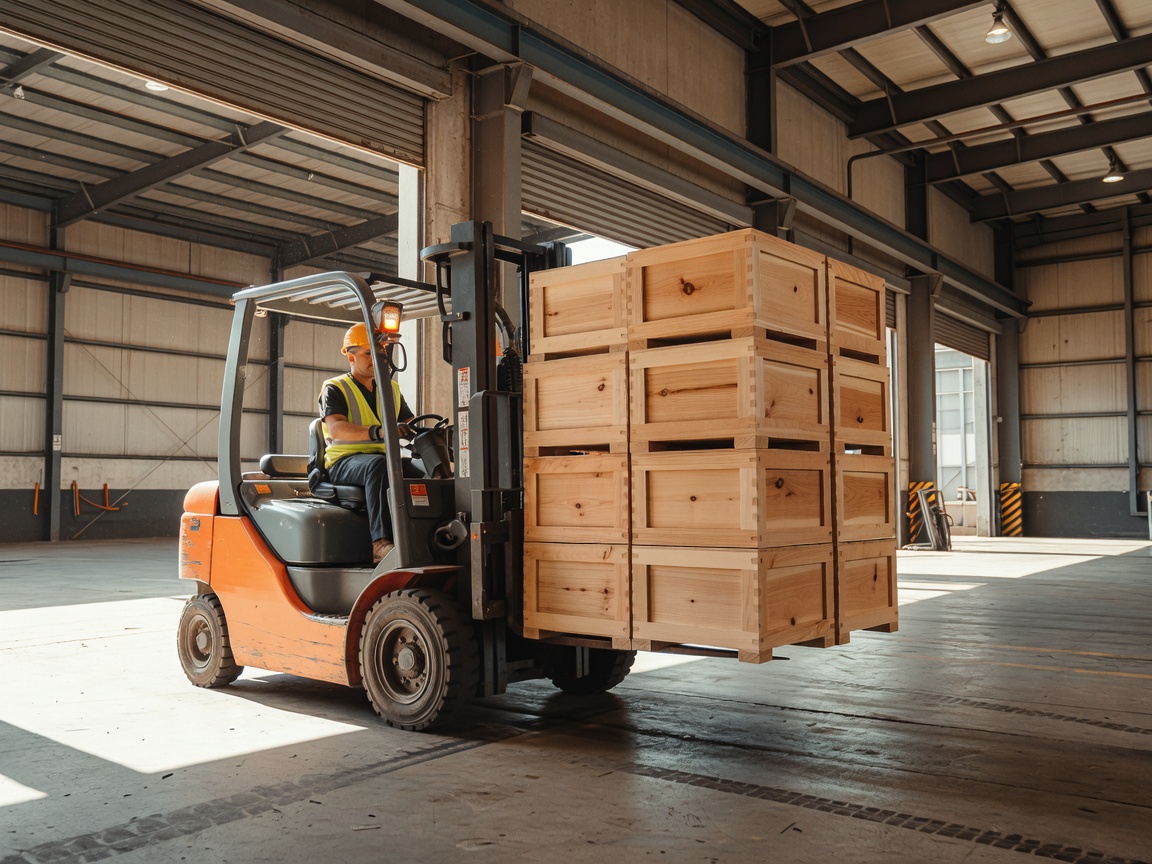
Venue-exclusive logistics agents operate dedicated electric reach stackers, mobile gantry cranes, and air-bearing sleds to position 20-tonne machinery.
Critical Technical Checkpoints
Checklist items mandated by venue technical directors prior to issuance of heavy haulage roll-up permits.
Point-Load Calculations for Heavy Machinery
When an industrial stamping press concentrates 45 tonnes across four footpads, the static load per square meter can exceed the slab's allowable surcharge. Exhibitors must supply steel load-spreading sleeper plates (minimum 30 mm thickness) certified by an accredited structural engineer before rolling past the dock threshold.
Subterranean Utility Pit Clearances
Floor utility channels are rated for lower point loadings than solid concrete slabs. Drive-over plates must be installed across trench covers whenever telehandlers or scissor lifts transit through the central hall aisles.
Exhaust Extraction & Air Quality Compliance
Internal combustion engines are strictly regulated within enclosed pavilions. Diesel freight vehicles are limited to a maximum 15-minute running window inside the hall; after this threshold, auxiliary external duct fans must be coupled to the vehicle's exhaust stack.